
Sign up for this awesome deal today!
Many New Jersey homeowners assume adding thick insulation is the final step to a comfortable home. You might expect your living space to stay perfectly warm all winter. Yet, you might still notice persistent cold spots or drafts sweeping through your hallways. If your attic already has insulation, why are you still feeling drafts? The answer comes down to the difference between blocking heat and blocking physical air movement. Adding thermal material does not automatically stop conditioned air from escaping through gaps in the ceiling. The U.S. Department of Energy notes that homes can lose up to 30 percent of their energy through unintended air leaks. This upward movement of air is driven by the stack effect. Warm air naturally rises, creating pressure against the top of your house.
If holes exist in your ceiling, that warm air pushes into the attic. When evaluating home comfort, air sealing attic spaces is a critical step. This process targets the physical holes in your building envelope. Without it, your HVAC system works harder to replace the air drifting into the unconditioned space above. By addressing these leaks, you create a more stable indoor environment. This reduces the strain on your equipment and helps maintain consistent temperatures across every room.
People often confuse these two essential components of home performance. Insulation slows heat transfer between your living space and the unconditioned areas of your house. The U.S. Department of Energy recommends an insulation level of R-49 to R-60 for attics in New Jersey. The R-value measures the material’s resistance to heat flow. Think of it like a thick wool sweater that keeps your body heat close to you on a chilly day. That sweater works very well to retain warmth. However, it does not stop a strong wind from blowing right through the knit fabric. Air sealing acts like a windbreaker worn over that sweater. This process involves physically closing gaps, cracks, and holes that let conditioned air drift out of your home.
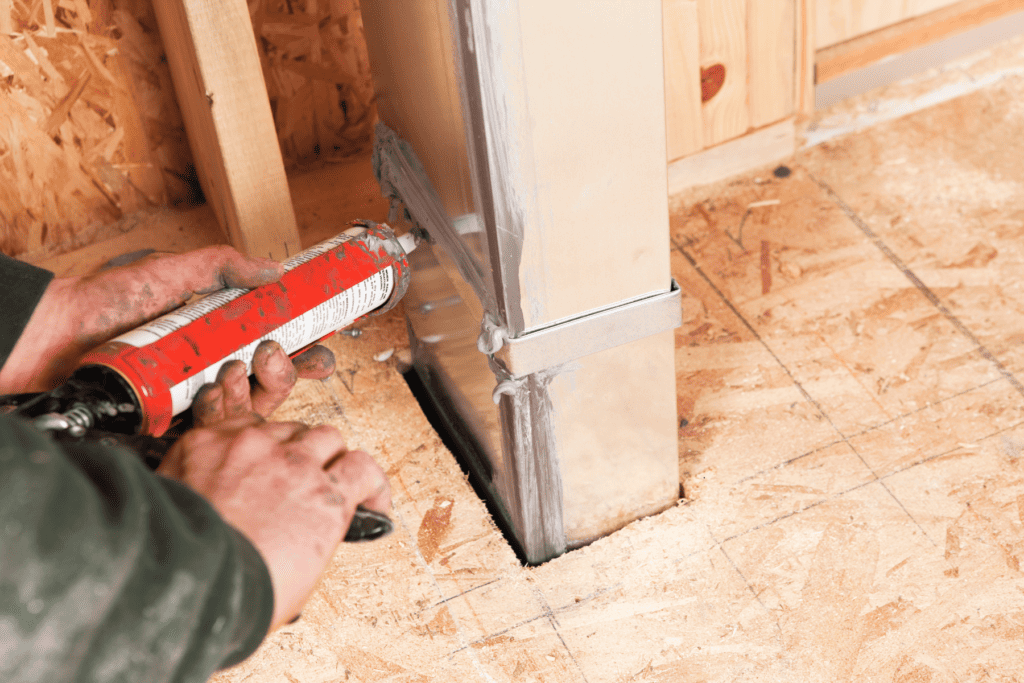
When you combine both methods, the entire attic assembly performs much better. Relying on insulation alone means hidden air leaks can still pull heated or cooled air out of your rooms. This creates unnecessary demand on your equipment. A standard fiberglass batt lets air pass through easily. Sealing the structural gaps with expanding foam or caulk stops that air movement entirely. If you constantly need a heating service in Cherry Hill, NJ, to keep your house warm, unsealed attic gaps could be part of the underlying issue.
Gaps in your attic floor are not always obvious to the naked eye. Most attics have numerous pathways where wires, pipes, and structural components pass between the conditioned rooms below and the unconditioned space above. Over time, building materials expand and contract. This movement can widen hidden gaps to a quarter-inch or more. Homeowners researching how to air seal attic spaces should understand that identifying these hidden penetrations is the first step before any sealing work begins. Before adding new insulation over existing material, professionals look for specific trouble spots that often let air bypass your ceiling.
Leaving these gaps open lets conditioned air continue to escape your living space. This upward air movement creates a vacuum effect in the lower levels of your house. It pulls unconditioned outside air in through the basement or ground floor. Sealing these specific pathways limits unwanted air movement. However, tightening a building envelope requires careful technical consideration. When you reduce natural air leaks, you must ensure the home still has adequate mechanical ventilation. Meeting ASHRAE 62.2 ventilation standards prevents indoor moisture buildup and maintains healthy air quality.
Attic air sealing costs can vary depending on the number of leakage points, attic accessibility, existing insulation, and the preparation required before sealing begins. A comprehensive home energy assessment often reveals that existing thermal layers underperform because of excessive air leakage. When a professional assessment uncovers these issues, home air sealing and insulation upgrades can often be addressed together as part of a whole-house performance strategy. Technicians can pull back or remove old, inadequate material to access and seal the underlying gaps.
Once the floor is properly sealed, technicians can install new blown-in attic insulation to the correct depth. This holistic approach to home performance significantly reduces the strain on your central equipment. When your house holds its temperature better, your cooling system runs shorter cycles during the summer.
Homeowners who frequently search for A/C repair in Cherry Hill often find that poor attic integrity forces their equipment to work overtime. By tackling air sealing and insulation upgrades as a unified system, you improve indoor comfort. You also protect your equipment from premature wear. Measuring the home’s air changes per hour with a blower door test before and after the work provides concrete proof of the improvement.
A blower door depressurizes the house to measure exactly how much air is leaking through the envelope. A well-sealed home can often reduce its air leakage by 20 to 30 percent, translating directly to less wasted energy.
Taking control of your indoor climate requires more than piling on extra thermal material. Understanding the benefits of air sealing attic spaces helps you stop conditioned air from escaping through your ceiling. By addressing the physical gaps in your building envelope, you reduce energy waste and improve the overall stability of your indoor temperatures.
Allied Experts provides comprehensive home performance solutions across New Jersey to help you address these hidden structural gaps. Our licensed professionals bring years of experience and a 24/7 live answering service to keep your comfort a priority. We offer upfront pricing so you know exactly what to expect before any work begins. Balancing insulation, targeted air sealing, and proper mechanical ventilation creates a healthier and more efficient living environment.
Stop letting your conditioned air slip through the cracks in your ceiling. Allied Experts delivers honest recommendations and straightforward solutions for your heating, cooling, and plumbing needs. If you need a system tune-up or comprehensive air duct cleaning in Cherry Hill, our team is ready to assist. Contact us today to schedule a walkthrough and learn more about how air sealing attic spaces can improve your home. Our experienced technicians will evaluate your current insulation levels, identify hidden air leaks, and propose a clear plan to upgrade your home performance. We focus on practical, measurable improvements that make a real difference in your daily comfort.