
Sign up for this awesome deal today!
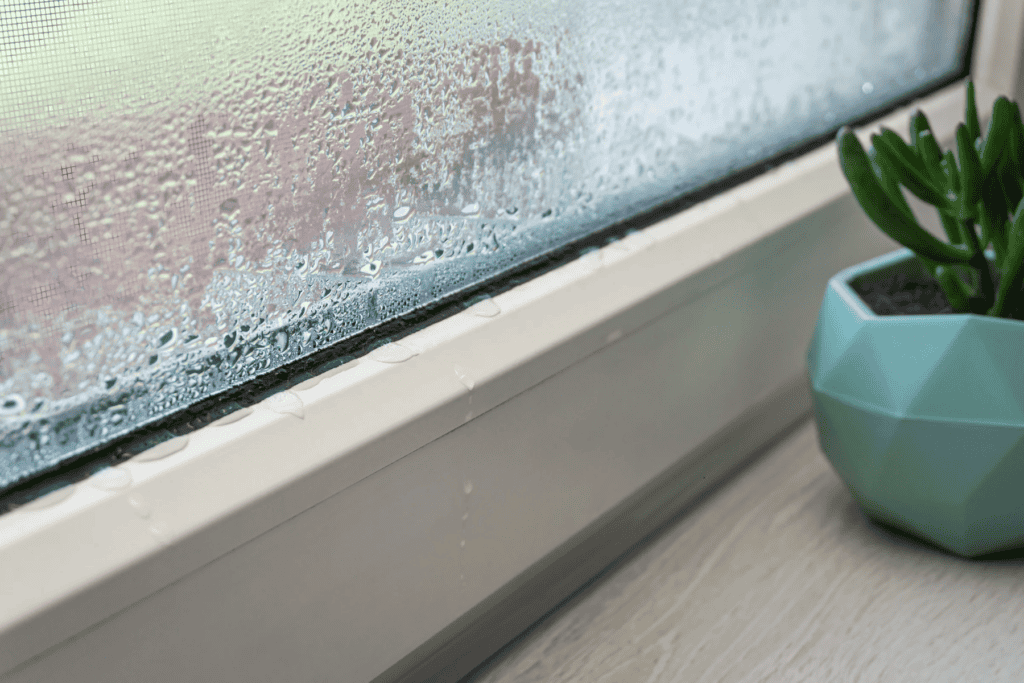
Condensation on the inside of windows forms when warm, moist indoor air touches cold glass and cools enough for the moisture to turn into water. A little fogging on very cold days is normal, but heavy or constant condensation on windows in winter usually means indoor humidity is too high or the glass is unusually cold. In winter, heating runs often and sealed homes trap moisture from cooking and showers, so it collects on the coldest surfaces, usually the windows. Keeping your indoor air quality and heating and cooling in Cherry Hill balanced starts with understanding why this happens. This guide covers common moisture sources, interior vs. exterior fogging, and practical steps to protect your window frames and woodwork all winter.
Indoor moisture levels naturally rise as families cook meals, run hot showers, and spend more time inside during chilly weather. At the same time, outdoor temperatures drop and chill exterior glass panes, creating a sharp temperature contrast across the glass boundary. Homeowners often ask, “Why is there condensation on my windows when the heat is running?” The answer usually comes down to a mix of daily moisture generation and cold surfaces.
Daily living habits add substantial amounts of airborne moisture to indoor spaces through ordinary household tasks. Steaming pots of boiling water, long hot showers, running laundry dryers, and watering indoor houseplants all discharge vapor directly into your living areas. Without adequate air movement, this moisture accumulates until it condenses on windows.
Whole-house humidifiers add essential moisture to counteract dry winter air, but improper settings can create problems during cold snaps. When outdoor temperatures plummet, indoor air cannot hold as much moisture before reaching saturation near cold glass surfaces. Having an experienced technician calibrate your whole-home humidifier helps keep humidity balanced and prevents condensation on cold window panes.
Modern construction and air-sealing measures keep warm air inside, improving energy efficiency throughout your living space. An unintentional consequence of a tight house without mechanical ventilation is that indoor humidity cannot easily escape. Exhaust fans in bathrooms and kitchens must run long enough to move humid air outside before it migrates into adjacent living spaces.
Unfinished basements and crawlspaces often harbor hidden dampness that steadily travels upward into living areas through natural air currents. Moisture evaporates from damp concrete floors or exposed soil and rises toward the structure’s upper levels. Addressing hidden leaks and consulting a Cherry Hill plumbing expert helps prevent excess moisture from entering your indoor air, and a whole-home dehumidifier can help keep a damp basement drier.
Even in homes with moderate humidity, unusually cold window surfaces can quickly form water droplets. Single-pane glass, aging double panes with deteriorating seals, and leaky window frames allow cold drafts to chill interior glass surfaces. Heavy window treatments like thermal curtains can also trap a pocket of cold air against the pane, preventing household heat from warming the glass.
Where moisture appears provides critical clues about the root cause and whether you need to act immediately. While some moisture patterns indicate healthy thermal barriers, others point to structural issues or elevated indoor humidity. Understanding these differences helps homeowners address the right problem without unnecessary worry.
Seeing condensation on the inside of windows is the most common winter moisture concern for local homeowners. This pattern occurs when indoor moisture levels exceed what the cold glass surface can support in freezing conditions. Frequent fogging or pooling water on interior glass indicates that humidity management and air circulation require attention.
When fog or moisture droplets appear between two layers of glass, the problem is not your home’s humidity level. This issue happens when the airtight seal around an insulated glass unit degrades, allowing outside moisture to enter the space between panes. Because the moisture is sealed inside the window assembly, adjusting indoor ventilation will not clear up the foggy glass.
Exterior moisture on windows typically occurs on calm, clear mornings when outdoor humidity is high and exterior glass temperatures drop. This phenomenon shows that energy-efficient windows are doing their job by keeping indoor heat inside the building envelope. Once the sun warms the outdoor air, exterior moisture evaporates naturally without harming your home.
Ignoring constant condensation on windows can lead to serious building deterioration over several seasons. Water dripping off cold panes pools on wooden sills and drywall, causing cracked paint, stained trim, and structural wood decay. Persistent dampness also encourages mold growth along window tracks and wall cavities, damaging interior finishes and surrounding materials.
Targeted home insulation helps keep structural surfaces warmer throughout the building envelope. Keeping building materials dry preserves window frames and prevents moisture from compromising your interior walls.
Resolving moisture issues requires a practical strategy that targets excess humidity while keeping interior surfaces warm. Homeowners can take daily steps to encourage healthy air circulation and reduce moisture buildup near cold exterior walls. Understanding how to manage indoor humidity in winter helps protect your living spaces from ongoing water damage.
A few deliberate daily habits can reduce moisture production and promote continuous airflow across cold window panes. Making these minor adjustments during freezing weather helps keep glass surfaces clearer and prevents water from pooling on window sills.
These straightforward practices can provide quick relief when cold weather sets in. Recurring winter window condensation often signals broader ventilation or thermal issues that warrant professional evaluation, making a comprehensive home assessment valuable.
Indoor humidity, thermal insulation, air sealing, and mechanical ventilation all work together to define how your home handles winter air. When conditioned air escapes through leaky ductwork, the system draws in unconditioned air, disrupting your indoor climate balance. Scheduling professional air duct sealing and sealing your building envelope keeps temperatures even and reduces exposure to cold surfaces.
Modern whole-house humidifiers equipped with automatic outdoor temperature sensors provide another layer of comfort control. These smart systems monitor outdoor temperature changes and automatically lower indoor moisture output during extreme cold spells, preventing condensation before it starts. Homeowners seeking reliable heating service in Cherry Hill, NJ, can consult licensed technicians to ensure heating and humidification systems work well together.
Persistent condensation on windows in winter is an early indicator that your home’s air circulation and moisture levels need adjustment. Addressing excess moisture protects painted trim, preserves wooden window frames, and prevents water damage from taking hold around exterior walls. Simple habit changes combined with proper ventilation keep your indoor atmosphere balanced throughout the coldest months.
When everyday steps are not enough to stop window sweating, a deeper mechanical evaluation can pinpoint hidden airflow and moisture leaks. Services like air duct cleaning in Cherry Hill and complete indoor air quality assessments help uncover airflow restrictions that trap damp air inside. A whole-house approach helps keep every room comfortable, efficient, and dry through every winter storm.
If heavy window fogging or puddles of moisture appear on your window sills, let our experienced team help you find the root cause. A comprehensive home energy assessment or air quality evaluation identifies exactly where moisture enters and why your glass surfaces remain cold. Our licensed technicians inspect your mechanical systems, ductwork, and insulation to provide practical solutions tailored to your property.
Allied Experts delivers upfront pricing and honest recommendations so that you can make informed decisions for your home without surprise fees. Our team provides 24/7 live answering, so you can reach us whenever seasonal comfort issues come up. Reach out today to schedule your assessment and enjoy balanced, comfortable indoor air all season long.