
Sign up for this awesome deal today!
A furnace making a loud noise often means your heating system needs attention. Some sounds are normal, like a gentle whoosh when the burners ignite or light ticking as the ducts warm up. Loud banging, squealing, grinding, rattling, or constant humming usually points to a problem with ignition, the blower, airflow, or ductwork. For homeowners in Cherry Hill, NJ, scheduling professional furnace service early keeps a small issue from turning into a midwinter breakdown. This guide explains what common furnace sounds mean, which ones are safety concerns, and what steps to take next.
Every heating system produces subtle operational sounds during normal runtime, but distinct changes in volume or pitch demand your attention. Different mechanical components create specific acoustic symptoms, which is why experienced technicians listen carefully to pinpoint the root issue.
A sudden furnace banging noise right as the heating cycle begins often signals delayed ignition. When dirt, dust, or carbon buildup coats the main burners, gas cannot ignite instantly when the gas valve opens. This delay lets a small pocket of extra fuel pool before it finally catches the flame, creating an abrupt booming or popping sound inside the combustion chamber.
In other situations, a loud bang stems from thin metal ductwork rather than the furnace burner assembly. Sheet metal expands rapidly under initial heat and contracts when cooler air returns, creating an audible popping sensation known as oil-canning. Because ignition delays can crack a heat exchanger over time, having a professional evaluate any persistent booming sound is vital.
High-pitched furnace squealing typically points to mechanical stress inside the primary air circulation system. On older furnace models equipped with belt-driven blowers, an aging or loose rubber belt can slip along the metal pulleys and generate a sharp screech. Modern heating systems generally rely on direct-drive assemblies, where screeching usually points toward a failing blower motor bearing.
Without sufficient lubrication, internal metal bearings generate excessive friction, heat, and a sharp acoustic pitch. Continuing to run a heating unit with dry motor bearings will eventually cause the entire blower motor to seize. Addressing the sound early protects the motor and avoids an unexpected loss of heat during freezing weather.
Metal-on-metal grinding or scraping is a critical warning sign that requires you to shut down your heating equipment immediately. This harsh noise often means the blower wheel has come loose from its motor shaft and is striking the surrounding metal housing. It can also mean that the internal motor bearings have completely deteriorated, allowing internal rotating parts to rub together violently.
Running a furnace during this level of mechanical failure can shatter the blower wheel and destroy the motor housing. Turn off the system at the thermostat and switch off the nearby emergency power switch. Contact a qualified heating technician to inspect and repair the rotating assembly before restoring power.
A persistent furnace rattling noise often originates from loose exterior access panels or vibrating sheet metal brackets. As the blower motor spins, natural vibrations can cause loose screws or unlatched maintenance doors to buzz against the main frame. Tightening loose cabinet fasteners from the outside often quickly eliminates the nuisance.
When the rattling originates deep inside the cabinet, the draft inducer motor may be deteriorating or carrying debris. The inducer motor purges combustion gases through the exhaust flue before the burners ignite, and a cracked inducer fan blade can generate intense rattling. Qualified specialists providing comprehensive heating services can safely replace worn inducer assemblies.
A low, constant furnace humming noise is normal when electrical transformers energize the low-voltage control board. When that hum intensifies into a loud buzz or droning vibration, an electrical component may be struggling under load. Failing motor capacitors, sticking electrical relays, and loose transformer mounts frequently produce prominent electrical resonance.
A blower motor that hums loudly without actually spinning usually indicates an open run capacitor or a seized motor shaft. Because these components handle high-voltage electrical current, homeowners should leave electrical testing and part replacement to licensed professionals.
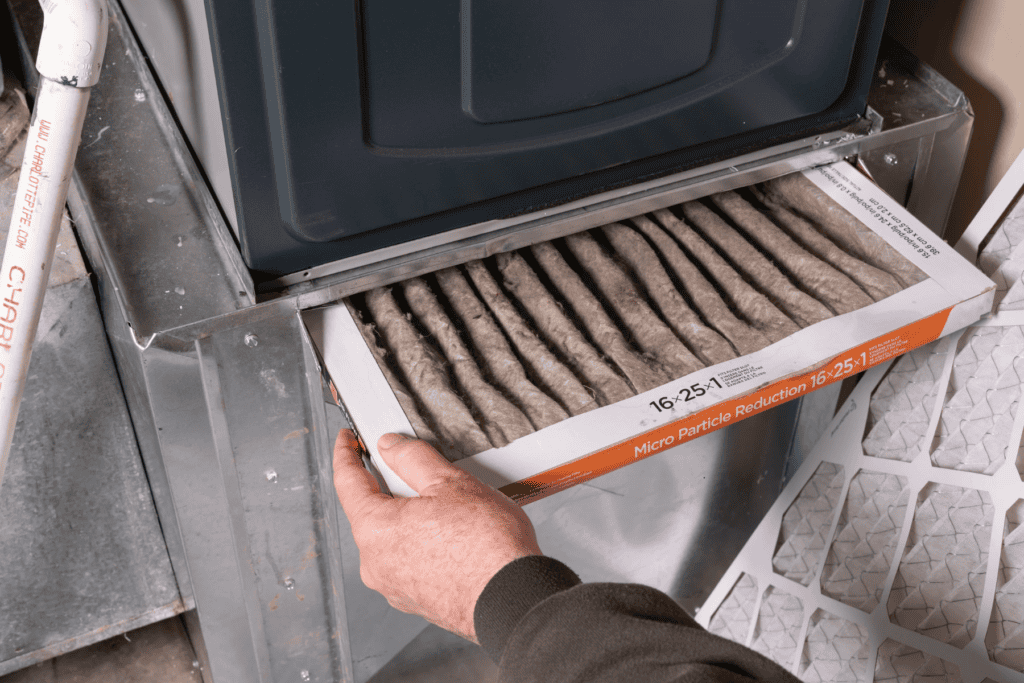
A high-pitched furnace whistling sound usually means system airflow is choked or struggling to pass through narrow openings. When air filters accumulate heavy layers of dust, the blower motor pulls air violently around the filter edges, creating a distinct whistle. Restricted return air vents, closed dampers, or leaky duct connections also force air through small gaps at high velocity.
Light clicking sounds are typical at the beginning of a heating cycle as the ignition sequence initiates. Electric spark igniters and internal gas solenoid valves produce a noticeable click as they cycle open and shut. If the furnace clicks repeatedly without lighting the burners, the system may have a dirty flame sensor, a faulty igniter, or an obstructed gas line.
Because diverse furnace noises can share overlapping mechanical symptoms, homeowners should never attempt to diagnose an internal fault from sound alone. A certified technician can run systematic diagnostics to pinpoint the precise mechanical cause and restore quiet operation.
Many homeowners assume a furnace making noise always has a problem inside the cabinet. In many homes, poorly configured or deteriorated ductwork running through basements, attics, and wall cavities causes a loud furnace. Air distribution channels experience significant physical pressure whenever the blower motor kicks into gear.
When ductwork is too small for the heating equipment, air velocity increases dramatically as the blower pushes air through tight passages. This restriction creates a continuous rushing or roaring sound, like a wind tunnel. Undersized return ducts also starve the blower motor of incoming air, forcing it to work harder and create audible strain.
Proper airflow design keeps static pressure balanced across every supply run and return register. Professional airflow testing measures pressure differentials to verify that duct sizing matches equipment requirements. Balancing system airflow reduces mechanical stress while eliminating turbulent wind noise throughout living areas.
Air distribution networks consist of interconnected metal sections held together with mechanical joints and fasteners. Over years of thermal expansion and contraction, sheet metal joints can separate, allowing high-pressure air to whistle through tiny gaps. Loose duct sections will also vibrate against floor joists and wall studs whenever the heating cycle activates.
Applying professional air duct sealing seals compromised joints and stops unwanted acoustic vibrations. Sealing leaks prevents heated air from escaping into unconditioned spaces, improving heating efficiency and dampening traveling sound.
Homeowners scheduling heating service in Cherry Hill, NJ, often discover that addressing duct leaks resolves both temperature imbalances and mechanical noise. When ductwork is properly secured, sealed, and balanced, a furnace that makes noise from airflow turbulence runs smoothly and quietly.
Living with a furnace making loud noise can create unnecessary concern for any family. While complex heating repairs require trained technicians, homeowners can take a few simple troubleshooting steps to safely evaluate system noise. Taking basic precautions helps eliminate minor airflow restrictions without placing yourself or your heating equipment in danger.
Before calling for professional heating repair, you can perform several external inspections to see if an obvious maintenance issue is contributing to the problem. These non-invasive steps focus on system airflow and exterior cabinet stability.
Simple homeowner checks can quickly clarify whether restricted airflow or a vibrating exterior panel is causing the noise. Carry out the following inspections without removing safety covers or disassembling equipment:
Documenting these observations provides valuable diagnostic clues that help a service technician locate the root issue quickly upon arrival. If your external checks confirm clean filters and open air duct passages, the acoustic problem resides within internal mechanical components that require specialized diagnostic tools.
Certain operational sounds indicate immediate mechanical hazard or combustion failure that warrants fast action. If you hear metal-on-metal grinding or notice a distinct burning odor, turn the furnace off at the thermostat and switch off the heating power disconnect right away. Operating a system with broken mechanical assemblies can warp expensive heat exchangers or destroy internal motor housings.
If you hear loud booming accompanied by any faint odor of natural gas, evacuate your home immediately without operating electrical switches or lighting fixtures. Once everyone is safely outdoors, call your local gas utility or emergency services from outside the property. Never open the furnace cabinet, adjust gas valves, light pilot assemblies, or touch electrical wiring yourself.
Unusual heating sounds are early warnings that mechanical components, electrical controls, or air channels require attention. Ignoring a furnace making loud noise often turns a simple mechanical adjustment into a major breakdown during freezing weather. Scheduling annual heating tune-ups allows a technician to clean burners, inspect motor bearings, and tighten electrical connections before noisy parts fail completely.
Deciding between equipment repair and system replacement depends heavily on your heating unit’s age and overall reliability. When a furnace has recurring motor failures, cracked heat exchangers, or chronic airflow problems, investing in a modern heating system often delivers superior reliability and whisper-quiet performance. For newer systems, replacing a single capacitor, blower wheel, or inducer motor can restore normal operation without an extensive overhaul.
When local homeowners need expert Cherry Hill heater repair, a licensed specialist can evaluate the heating system and provide clear answers. Regular professional service helps your heating system run smoothly, safely, and quietly all season long.
Do not let strange furnace noises compromise your home comfort or household safety this winter. The experienced technicians at Allied Experts are ready to inspect your heating system, diagnose the exact cause of any unusual sound, and perform dependable repairs. From vibrating blower assemblies to ignition adjustments, our team restores quiet warmth to your living space.
We believe in complete transparency, so we provide upfront pricing before any work begins on your heating equipment. Our dedicated team offers 24/7 live answering, so you can reach a real representative whenever heating issues arise. Contact Allied Experts today to schedule your heating maintenance and repair, and enjoy dependable heating and cooling in Cherry Hill.