
Sign up for this awesome deal today!
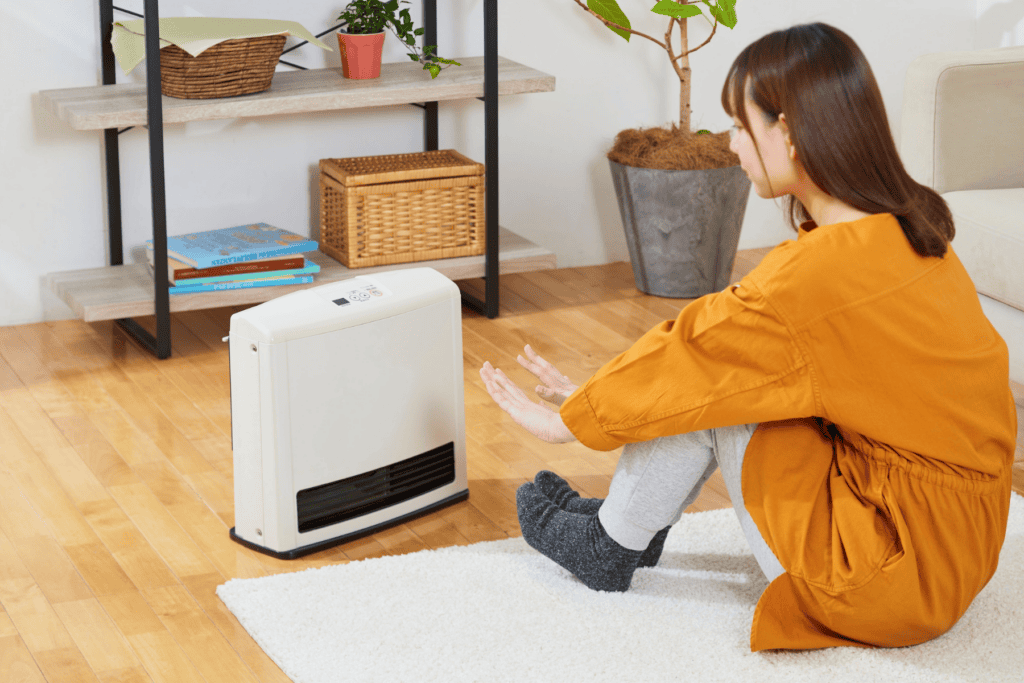
Modern home heating equipment relies on several safety components to operate properly throughout the winter. If your furnace keeps shutting off before your home reaches the desired temperature, the high limit switch may be responding to an overheating condition. This small but important component monitors temperatures inside the furnace and shuts the burners down when the system exceeds its safe operating range.
For New Jersey homeowners, understanding what the high limit switch does can make furnace problems easier to recognize. A tripped switch doesn’t necessarily mean the component has failed. In many cases, it is responding correctly to restricted airflow or another mechanical issue. If your system continues shutting down, professional heating service in Cherry Hill, NJ, can help identify the underlying cause.
A properly functioning furnace depends on both heat production and airflow. The burners or heating elements generate heat, while the blower moves air across the heat exchanger and through the ductwork. If that airflow becomes restricted, heat can build up inside the furnace cabinet. The high limit switch acts as an important safety control by interrupting the heating cycle before temperatures rise beyond the equipment’s designed operating range.
The furnace high limit switch is typically positioned to monitor temperature conditions inside the heating system. As the furnace operates, the blower moves air across the heat exchanger and carries that warmth into the home. Under normal conditions, this airflow helps keep internal furnace temperatures within the range the manufacturer specifies.
If temperatures get too high, the furnace limit switch interrupts the heating cycle and shuts down the burners. Depending on the system design, the blower may continue operating to move heat away from the equipment. Once conditions return to an acceptable range, the system may resume normal operation.
This safety function is important because overheating can place unnecessary stress on furnace components. The exact temperature at which a high-limit switch activates varies by furnace model and manufacturer, so the switch should always match the equipment specifications. Homeowners should not attempt to alter or bypass this control. If the switch activates repeatedly, the better approach is to determine why the furnace is overheating in the first place.
Homeowners researching high limit switch vs high limit control may encounter slightly different terminology depending on the furnace manufacturer and system design. In some heating systems, the terms may describe closely related safety functions. Other equipment may use separate controls or a combination component that manages multiple furnace functions.
A high limit control generally helps protect the furnace from excessive temperatures. Older equipment may use a combination fan-and-limit control that manages both blower operation and high-temperature protection, while newer equipment may handle those functions differently.
Because furnace designs vary, homeowners should avoid assuming every high-limit switch or control operates the same way. The equipment manual and a professional furnace diagnosis can identify which component is installed and how it is intended to function.
Repeated furnace shutdowns can indicate that the high limit switch is responding to restricted airflow or another condition that is causing excessive heat to build inside the equipment. Homeowners may notice changes in the way the system cycles, distributes heat, or operates its blower.
Common furnace limit switch symptoms and overheating warning signs can include:
These symptoms do not automatically mean you have a bad furnace limit switch. In many cases, the safety control is operating correctly and responding to another furnace problem. Restricted airflow, blower issues, dirty components, or other mechanical conditions can all contribute to excessive temperatures. If the problem continues after basic airflow checks, a professional Cherry Hill heater repair technician can determine whether the limit switch itself has failed or whether another component is causing the repeated shutdowns.
Restricted airflow is one of the most common causes of furnace overheating. The heating system needs a steady supply of air moving across the heat exchanger. When airflow decreases, heat may remain trapped inside the furnace instead of distributing throughout the home.
A heavily clogged filter can restrict return airflow. Homeowners can safely inspect their filters and replace them when needed. Properly maintaining air filtration systems supports normal airflow through the heating equipment.
Closed or obstructed supply and return vents can also affect circulation. Furniture, curtains, rugs, or household items placed directly in front of registers may interfere with normal airflow. Homeowners can check that accessible vents remain open and unobstructed without modifying any internal furnace components. If the filter is clean and the vents are open but the high-limit switch keeps activating, the problem may involve the blower motor, blower wheel, ductwork, or another internal component. These issues require a more detailed professional diagnosis.
Homeowners can make a few basic observations before calling for furnace service. Start with the air filter and replace it if it is visibly dirty or clogged. Walk through the home and make sure the supply and return registers are open and not blocked by furniture or other objects. You can also verify that the thermostat is set correctly for heating. Keep the area around the furnace clear. Avoid storing boxes or other household items directly against the equipment. However, homeowners should stop at basic visual and airflow checks.
Do not bypass, rewire, manually alter, or attempt electrical testing on the high limit switch. Furnace safety controls protect the system under abnormal operating conditions, and modifying them can create serious safety risks. If the furnace continues short-cycling or overheating after simple checks, professional evaluation is the appropriate next step.
Repeated trips don’t automatically mean the switch needs replacing. A qualified technician should first determine whether another problem is causing the furnace to overheat. Replacing a functioning safety control without correcting restricted airflow or another mechanical issue will not solve the underlying problem. During a professional diagnosis, a technician may evaluate furnace airflow, blower operation, temperature rise, electrical connections, and other components involved in the heating cycle. If testing confirms that a furnace high-limit switch replacement is necessary, the replacement component should match the furnace specifications.
Using the correct part matters because furnace safety controls are designed around specific equipment requirements. A professional familiar with HVAC in Cherry Hill, NJ, can diagnose the entire heating system rather than focusing only on the component that shuts down the burners.
The high limit switch is part of a larger heating system that may involve gas combustion, electrical components, airflow controls, and temperature-sensitive equipment. When the switch repeatedly interrupts the heating cycle, identifying the cause requires more than simply resetting or replacing the part.
Professional technicians can determine whether the switch is responding correctly to an overheating condition or whether the control itself is malfunctioning. They can also evaluate related components such as the blower motor, heat exchanger, air filter, duct system, and other furnace controls. Finding the root cause is especially important when overheating repeats. Correcting an airflow or mechanical issue can help restore normal furnace operation and reduce unnecessary strain on the equipment.
A high limit switch plays an important role in furnace operation by responding when internal temperatures exceed the system’s designed operating range. If your furnace repeatedly shuts off, the switch may be protecting the equipment from an underlying airflow or mechanical issue rather than causing the problem itself.
Checking the filter, keeping vents unobstructed, and maintaining clear space around the furnace are reasonable homeowner steps. If those basic checks don’t resolve repeated shutdowns, a professional diagnosis can determine whether the problem involves restricted airflow, another furnace component, or the high limit switch itself.
Allied Experts provides heating diagnostics and repair services for homeowners throughout Cherry Hill and surrounding New Jersey communities. If your furnace is short cycling, struggling to maintain temperature, or repeatedly activating its safety controls, contact Allied Experts to schedule an evaluation. With upfront pricing and 24/7 live answering, the team can help identify the underlying issue and restore dependable heating to your home.