
Sign up for this awesome deal today!
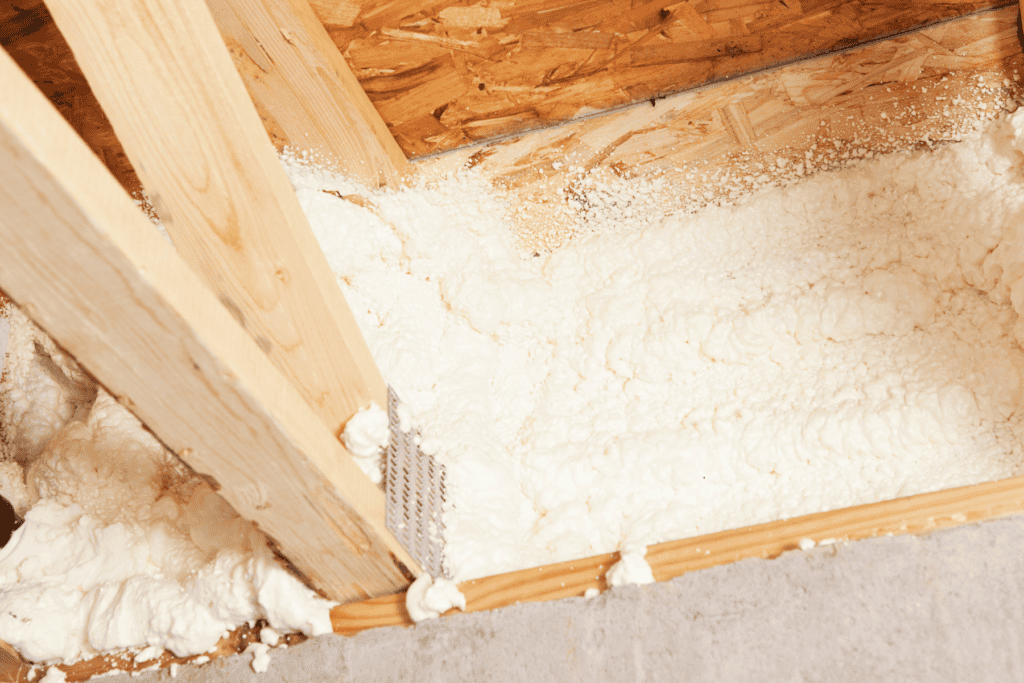
The rim joist, also called the band joist, is the wood framing that sits on top of your foundation wall around the edge of the basement ceiling. Because it is thin, often uninsulated, and full of small gaps, it is one of the most common places for cold outdoor air to leak into a home, causing a cold basement and chilly first-floor rooms. Proper rim joist insulation and home insulation seal this weak spot and lower winter heating demand. This guide covers the warning signs, how to seal and insulate these cavities, and how this work supports heating and cooling in Cherry Hill to keep temperatures balanced year-round.
The perimeter framing where your house meets its foundation represents one of the most critical thermal boundaries in modern residential construction. When this structural joint lacks proper protection, outdoor air moves freely through unseen cracks into your lower level. Understanding how this framing functions helps explain why baseline basement temperatures drop sharply as soon as cold weather arrives.
The rim joist, often called a band joist, sits upright on the foundation sill plate and caps the ends of your floor joists. Because this framing rests directly against the exterior siding, it acts as the primary barrier between outdoor weather and your basement interior. In older structures, builders rarely sealed these framing joints, leaving unfinished wood exposed to outside temperature swings.
Without dedicated band joist insulation, outside cold conducts rapidly through the thin wooden perimeter. Wood provides very little resistance to heat transfer on its own, allowing outdoor cold to radiate inward continuously. As exterior air presses against the house, gaps between the sill plate, concrete, and framing pull frigid drafts directly indoors.
Air leakage along the foundation edge creates an uncomfortably cold basement that remains difficult to heat all winter. As cold outdoor air infiltrates the perimeter, it sinks to the floor and displaces the warmer air that your heating system produces. This incoming cold air also cools the underside of your first-floor subflooring, leaving hardwood, tile, and carpet uncomfortably chilly underfoot.
These perimeter leaks do more than produce uncomfortable drafts in your living areas. Cold air entering the basement increases overall heating demand, forcing your furnace or boiler to run longer cycles to maintain set temperatures. In many homes, warm indoor air carries humidity that hits cold, uninsulated rim framing, leading to condensation, musty odors, and localized wood rot over time.
Resolving basement comfort problems requires addressing both convective airflow and conductive heat loss along the foundation edge. When contractors evaluate how to insulate rim joist cavities, they focus on building a complete thermal and air barrier. Combining these two protective measures prevents exterior air from bypassing the insulation material entirely.
Proper rim joist air sealing stops drafts by plugging structural cracks, while insulation slows heat transfer through building materials. Simply insulating rim joist bays with loose-fill materials lets cold air wash right through the fibers, leaving rooms above just as drafty as before.
Fiberglass batts are often installed in basement rim areas, but they perform poorly without an air barrier. Because fiberglass batts let air pass through freely, cold drafts continue to penetrate the space while carrying airborne moisture against the cold exterior wood. In contrast, applying spray foam to the rim joist or installing rigid foam boards with carefully caulked edges creates an airtight barrier that stops both drafts and conductive heat loss.
Just as unsealed ductwork pulls dust and unconditioned air into your HVAC system, an unsealed rim joist pulls outside drafts into your living space. Homeowners scheduling air duct sealing or air duct cleaning in Cherry Hill often find that sealing envelope leaks alongside duct repairs delivers the biggest improvement in indoor air freshness.
Homeowners can often spot early indications of air infiltration along the basement perimeter before major comfort issues arise. Inspecting the top of your foundation wall in cold weather can reveal clear physical clues that unconditioned outdoor air is bypassing your building envelope.
When these symptoms appear, they indicate that outside air has found an open pathway into your basement. Addressing these gaps promptly protects structural framing from excess seasonal dampness while keeping your home noticeably warmer.
Treating the rim joist as an isolated problem rarely delivers the comprehensive comfort homeowners want. Building science demonstrates that air moves through a home continuously from bottom to top through the stack effect. Evaluating your entire building envelope helps make sure sealing foundation air leaks works well with attic ventilation and your heating and cooling equipment.
A professional home energy assessment evaluates your entire residence to locate hidden leaks from the foundation to the attic. During this thorough diagnostic walkthrough, technicians use specialized tools to measure building pressure and pinpoint drafts along the band joist. Addressing rim leaks alongside attic insulation creates a balanced thermal boundary that stabilizes indoor temperatures.
Sealing foundation penetrations also protects your plumbing lines during harsh winter conditions. Water supply lines running close to uninsulated rim joists are vulnerable to freezing drafts, which can cause severe burst pipe damage. Homeowners who maintain their plumbing in Cherry Hill often pair foundation sealing with pipe insulation to avoid an unexpected frozen pipe burst during sudden cold snaps.
Installing rim joist insulation requires careful attention to detail that goes well beyond simply placing insulation into an open joist bay. Technicians must navigate complex obstructions such as electrical wiring, gas piping, drain lines, and mechanical exhaust vents. Ensuring that every gap receives a durable, airtight seal requires professional equipment and extensive training.
Moisture management and fire safety are equally critical when treating foundation framing. Because rigid or expanding foam products must meet fire safety requirements for exposed materials, professional installation helps make sure the right protective barriers are in place. Experienced contractors also know how to prevent condensation from becoming trapped against framing, protecting your structural timbers from rot and mildew.
Upgrading your rim joist insulation is one of the most effective structural improvements a homeowner can make to eliminate winter drafts and warm cold floors. Sealing perimeter air leaks stops frigid drafts at the foundation line, while proper insulation slows heat loss and protects sensitive plumbing lines. Combined with attic improvements, foundation air sealing reduces the overall strain on your central heating equipment.
Investing in whole-house efficiency lets your mechanical equipment run under steady, manageable workloads. Homeowners seeking reliable heating service in Cherry Hill, NJ, often find that repairing building envelope leaks resolves stubborn cold spots that thermostat adjustments can’t fix. Controlling foundation drafts creates a quieter, cozier, and more energy-efficient living environment throughout your home.
If your basement feels drafty or your first-floor rooms suffer from cold winter floors, the team at Allied Experts is ready to help. Our certified technicians evaluate your foundation framing, identify air-leak pathways, and recommend proven solutions to keep your home comfortable. We deliver transparent upfront pricing on all our services so you always know what to expect before any work begins.
Our experienced team provides dependable workmanship for homeowners throughout Camden County. We handle everything from targeted foundation air sealing to comprehensive whole-house efficiency improvements. Contact Allied Experts today through our 24/7 live answering team to schedule your consultation and start enjoying a warmer, more comfortable home.