
Sign up for this awesome deal today!
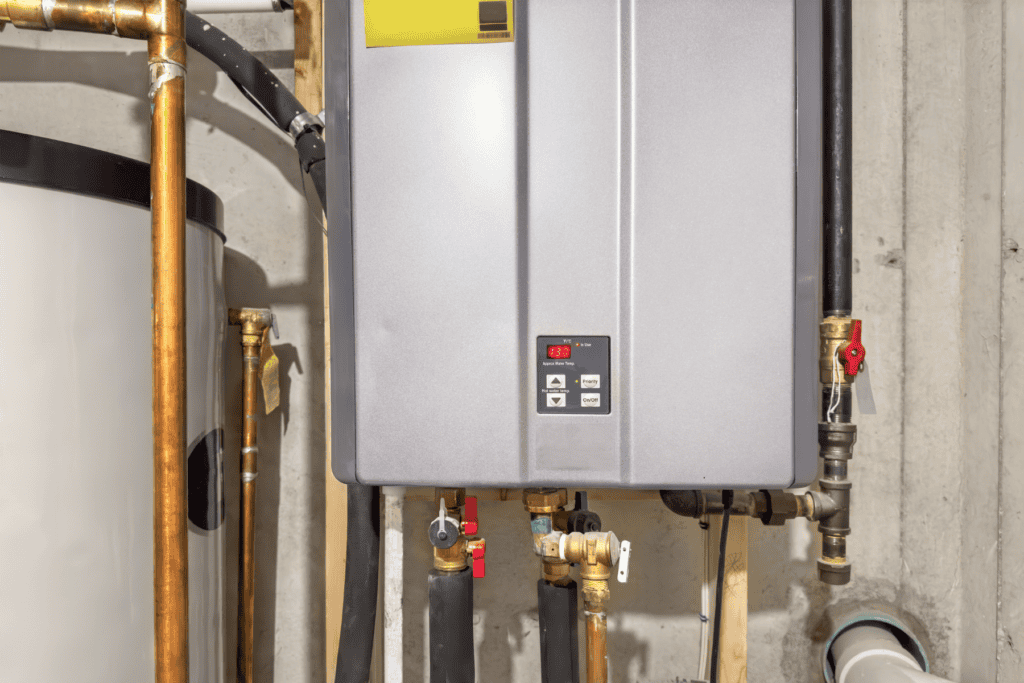
Understanding tankless water heater pros and cons helps you make an informed choice when an older system needs replacement. Instead of keeping a tank of water hot all day, a tankless unit heats water only when you turn on a faucet, saving space and avoiding the standby heat loss of a traditional tank. At the same time, it needs proper installation, has limits on how much hot water it can deliver at once, and requires regular maintenance. Homeowners in Cherry Hill, NJ, often ask whether the switch is worth it, and professional tankless water heater services can answer that by reviewing sizing, venting, and utility hookups. For some households, the answer is clearly yes, while for others, a new tank is the more practical choice.
Standard tank systems and tankless units share the same main goal. However, their internal engineering operates on completely different principles. Knowing how each unit runs helps you understand hot water delivery during peak morning routines. It also explains why the two systems feel different in everyday use.
Homeowners often ask, how does a tankless water heater work during peak demand? The cycle starts as soon as you open a hot water tap at any faucet or shower. Cold water passes by a flow sensor inside the cabinet. This sensor prompts the control board to fire a high-output burner or energize electric heating elements.
Water moves rapidly through a compact heat exchanger that warms the stream. Because the system heats water as it flows instead of storing it, hot water keeps coming as long as demand stays within what the unit can handle. You may still have a short wait for hot water to reach the tap, just as with a tank. When reviewing different models, gas vs. electric water heaters show why gas line supply and electrical service play such a large role in heating speed.
When comparing a tankless water heater vs. a tank setup, the main difference is storage. A standard tank keeps its full supply of water hot at all times, so it loses some heat through the tank walls and fittings even when no one is using hot water. This is called standby heat loss.
Tankless units heat water only on demand, so they avoid most of that standby loss. A tank can run out of hot water when back-to-back showers empty it, and then you wait for it to reheat. A tankless unit doesn’t run out the same way, but it does have a flow rate limit. It can only heat a fixed number of gallons per minute. If several fixtures run at once, water temperature can drop unless the unit was sized correctly.
Every water-heating technology involves mechanical trade-offs that affect comfort, efficiency, and maintenance. Looking at the benefits and drawbacks side by side helps you balance convenience against limitations. Reviewing both sides helps prevent surprises once your new unit is running.
Homeowners appreciate several tankless water heater benefits when upgrading their equipment. The most popular benefit is a continuous supply of hot water. As long as your demand stays within the unit’s gallon-per-minute rating, you won’t run out of hot water during consecutive showers.
Efficiency is another advantage. Because a tankless unit isn’t keeping stored water hot around the clock, it avoids standby heat loss, and the efficiency gain tends to be larger in households that use less hot water each day. Space savings also make a substantial difference. Traditional tanks take up valuable square footage in utility rooms or basements. A compact, wall-mounted tankless unit frees up that floor area. With no storage tank, there’s also no tank to rust through and leak across the basement floor.
Reviewing tankless water heater disadvantages ensures you have realistic expectations before starting a project. The primary challenge involves simultaneous fixture demand. If multiple family members run showers, the dishwasher, and laundry at the same time, an undersized unit cannot maintain target water temperatures.
Installation complexity is another drawback. High-output gas models require dedicated direct-vent exhaust piping and often need larger gas supply pipes. Gas units also need electricity to run control boards, blowers, and ignition, so they cannot provide hot water during power outages without backup power.
Hard water scale presents a third challenge. Because heat transfers across tight internal passages, hard water causes mineral scale to coat heat exchanger surfaces. Left unchecked, scale reduces efficiency, stresses parts, and shortens equipment life. Routine tankless water heater maintenance helps remove scale deposits, and many manufacturers require it to keep warranty coverage.
A tankless installation is not a universal solution for every property layout. Several plumbing, structural, and fuel requirements determine whether an on-demand system will operate reliably. Checking these conditions first shows whether a tankless unit will work well in your home.
Before picking a model, technicians evaluate how your household uses hot water and inspect your existing mechanical connections. Matching equipment capacity to your daily habits ensures consistent water delivery without temperature fluctuations.
These details show whether switching to tankless water heaters will be a straightforward swap in your home or require prep work first. In areas with high mineral concentrations in well or municipal water, dedicated water softener systems prevent rapid scale buildup inside your heat exchanger.
Accurate equipment sizing is critical for consistent water temperatures. In winter, the water coming into your home is much colder. That lower incoming temperature forces the water heater to work harder to raise it to a comfortable temperature. A licensed plumber in Cherry Hill, NJ, calculates incoming winter water temperatures to choose a model with enough gallons per minute output.
Proper tankless water heater installation often requires licensed gas-line services to upgrade fuel lines and ensure correct pressure during peak firing. Modern condensing units also vent through specialized plastic piping rather than traditional metal chimneys. Some New Jersey utility programs offer incentives for qualifying high-efficiency upgrades, so it’s worth asking whether your project could qualify.
Whether a tankless water heater is worth it depends on how well your household habits match the system’s requirements. An experienced Cherry Hill plumber can give you direct answers about venting routes, gas line sizes, and proper flow rates. Homeowners who prioritize continuous hot water, want more open floor space, and keep up with routine maintenance often find these units are a good fit.
On the other hand, homes with low peak water usage or structural venting limitations may find modern storage units to be a practical, budget-conscious choice. Taking time to review all tankless water heater pros and cons helps you balance upfront installation work against years of lower operating waste.
The best way to choose the right unit is to have a professional look at your home’s plumbing. A technician can inspect your existing plumbing, check gas line capacity, and calculate peak fixture demands. An in-home assessment with upfront pricing helps ensure the system you choose fits how your household uses hot water.
Selecting the right water heater starts with an honest look at your household’s habits and your plumbing in Cherry Hill. Allied Experts’ licensed professionals review your mechanical layout, inspect existing fuel lines, and calculate your peak hot water demand. We explain your options clearly so you can choose a system that matches your lifestyle and comfort goals.
Every installation includes transparent, upfront pricing, so you know exactly what to expect before we start any work. With our 24/7 live answering service, you can schedule your comprehensive home walkthrough whenever you are ready to get started. Contact us today to learn more.