Sign up for this awesome deal today!
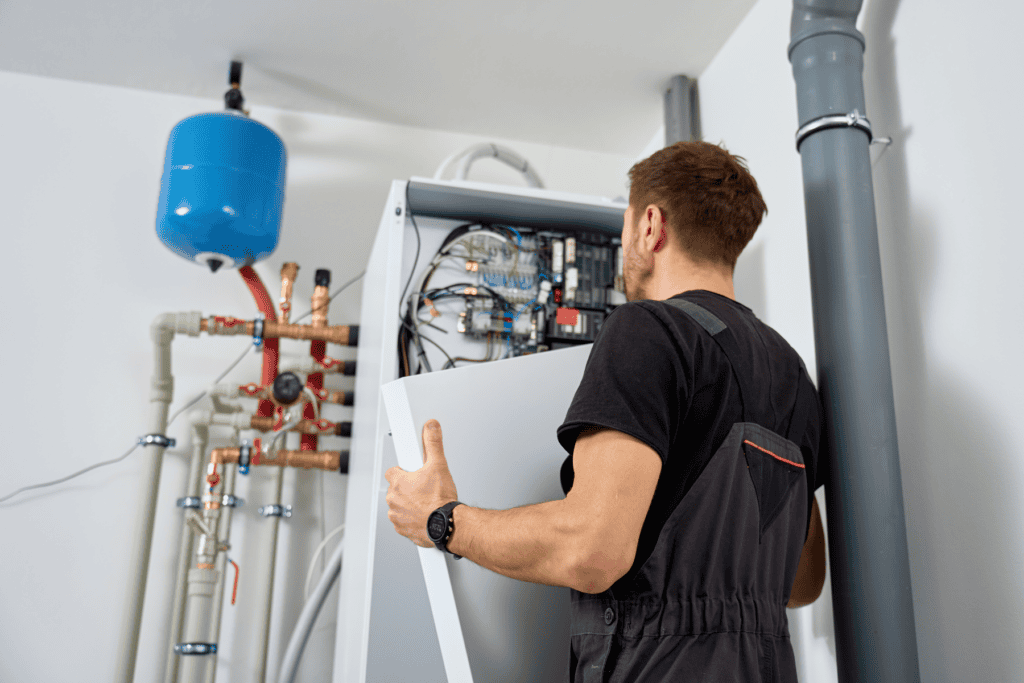
A central heating system warms an entire house from a central heat source. It delivers heated air or hot water through ductwork or pipes to every living area. Most New Jersey homes rely on central heating to maintain steady indoor warmth during freezing winter months. Understanding how central heating operates helps property owners make smart choices about equipment options, home system upgrades, and routine maintenance. This guide reviews main equipment types, efficiency data, key benefits, and common system trade-offs.
Central heating warms a residential property using one primary heat source connected to distribution routes. Space heaters only warm individual rooms. In contrast, central heating distributes warm air or hot water evenly throughout the home. The central unit usually sits in a basement, garage, or utility closet.
Homeowners choose from three primary heating configurations, each with different operating methods, efficiency levels, and installation requirements. The best option depends on how the home is built, whether ductwork already exists, local fuel availability, and the homeowner’s comfort and energy-efficiency goals. Understanding how each system works makes it easier to compare long-term operating costs and choose the setup that best suits the property. These include:
Selecting the right setup depends on home layout, existing ductwork, available fuel sources, and the age and condition of current equipment. Homeowners should also consider installation costs, maintenance needs, expected lifespan, and seasonal energy use before deciding. Local property owners assessing HVAC Cherry Hill, NJ, options can compare system efficiency ratings and professional recommendations to find a heating solution that supports reliable comfort while helping control monthly energy costs.
Central heating provides reliable warmth during severe winter weather and helps maintain more consistent indoor temperatures throughout the home. Unlike room-by-room heating methods, a centralized system distributes heat through connected ducts, radiators, or air handlers, making it easier to manage comfort across multiple living spaces. Modern systems can also improve energy use, simplify temperature control, and support long-term home value. Homeowners gain several distinct advantages from a centralized setup:
These benefits make central heating a practical option for homeowners who want dependable comfort, straightforward operation, and efficient whole-home temperature management. The exact advantages depend on the system type, equipment efficiency, home insulation, and maintenance history. Proper sizing and professional installation also help ensure the system delivers consistent performance without wasting energy.
Centralized heating also involves specific trade-offs that property owners should review before choosing or upgrading a system. While these systems offer dependable whole-home comfort, performance and operating costs depend heavily on duct condition, equipment efficiency, and home use. Understanding the potential drawbacks can help homeowners plan for installation costs and avoid unnecessary energy loss.
These limitations do not necessarily outweigh the benefits of central heating, but they do make proper system design and maintenance important. Sealing ductwork, adding zoning controls, and upgrading outdated equipment can improve efficiency and comfort over time. Scheduling regular heating service in Cherry Hill, NJ, helps reduce duct leaks, identify developing problems, and maintain peak equipment efficiency.
Selecting heating equipment requires evaluating home size, duct design, and building insulation quality. Proper sizing is essential because oversized units cycle on and off too quickly, increasing component wear and reducing efficiency. Undersized systems create the opposite problem by running continuously without consistently reaching the desired indoor temperature. A professional load calculation helps match heating capacity to the home’s layout, insulation levels, and overall heat loss.
Routine maintenance protects heating efficiency and helps extend the lifespan of critical system components. Homeowners should replace standard air filters every 1 to 3 months to prevent dust buildup on blower assemblies and maintain proper airflow. Keep supply and return vents clear of furniture, drapes, and thick rugs so conditioned air can circulate freely throughout the home.
Check ductwork periodically for loose seams, damaged connections, and excessive debris buildup. Professional air duct cleaning services in Cherry Hill can remove accumulated dust and help improve system distribution when buildup becomes significant. Annual professional inspections also help clean gas burners, evaluate heat exchangers for safe operation, check electrical components, and verify proper flue venting before heavy winter use.
Ignoring small changes in heating performance can lead to more serious breakdowns during periods of extreme cold. Loud grinding, squealing, or rattling sounds from the equipment cabinet may indicate worn bearings, loose components, or other mechanical problems. Frequent short cycling, where the burner or heating system turns off after only a few minutes, can point to thermostat problems, airflow restrictions, overheating, or incorrect system sizing.
Uneven temperatures between rooms and weak airflow from supply registers can also signal duct issues, blower problems, or declining system performance. Homeowners should also watch for unexpected increases in monthly gas or electric bills, especially when usage habits haven’t changed. Addressing these symptoms early with professional Cherry Hill heater repair can prevent more expensive component damage, improve efficiency, and help maintain safe heating performance throughout the season.
A central heating system offers reliable warmth, steady temperature control, and long-term home value. Combining high-efficiency equipment with proper duct maintenance helps homeowners keep heating costs down throughout winter. Whether a home relies on a furnace, heat pump, or boiler, preventative maintenance protects heating reliability. Homeowners managing Cherry Hill heating and cooling equipment can preserve system performance through scheduled seasonal care.
Proper installation, routine tune-ups, and timely repairs maintain central heating efficiency across South Jersey homes. Comprehensive HVAC care includes duct sealing checks, combustion safety testing, and home energy evaluations to optimize system output. Technicians at Allied Experts evaluate equipment performance, clean internal components, and complete repairs across Cherry Hill and surrounding New Jersey communities.