
Sign up for this awesome deal today!
When planning comfort upgrades, comparing blown-in cellulose vs. fiberglass can feel overwhelming. Homeowners frequently want to know which material provides the best attic insulation and thermal protection. Deciding on Cellulose vs. Fiberglass Insulation is not about finding a single superior product. The correct material depends entirely on your specific space, current insulation levels, and overhead accessibility.
To make an informed choice, you must understand standard thermal metrics. The most important metric is R-value. R-value measures a material’s resistance to heat flow. A higher R-value means better climate control for your living spaces. Another key metric is density, which refers to a material’s weight per cubic foot. Higher density materials often block air movement more effectively.
We will break down the structural differences in material composition, coverage, and performance. This guide explores how each option impacts your home. Proper insulation reduces the strain on your heating and cooling equipment. It also helps maintain consistent indoor temperatures year-round. By understanding these core concepts, you can select the right thermal barrier for your property.
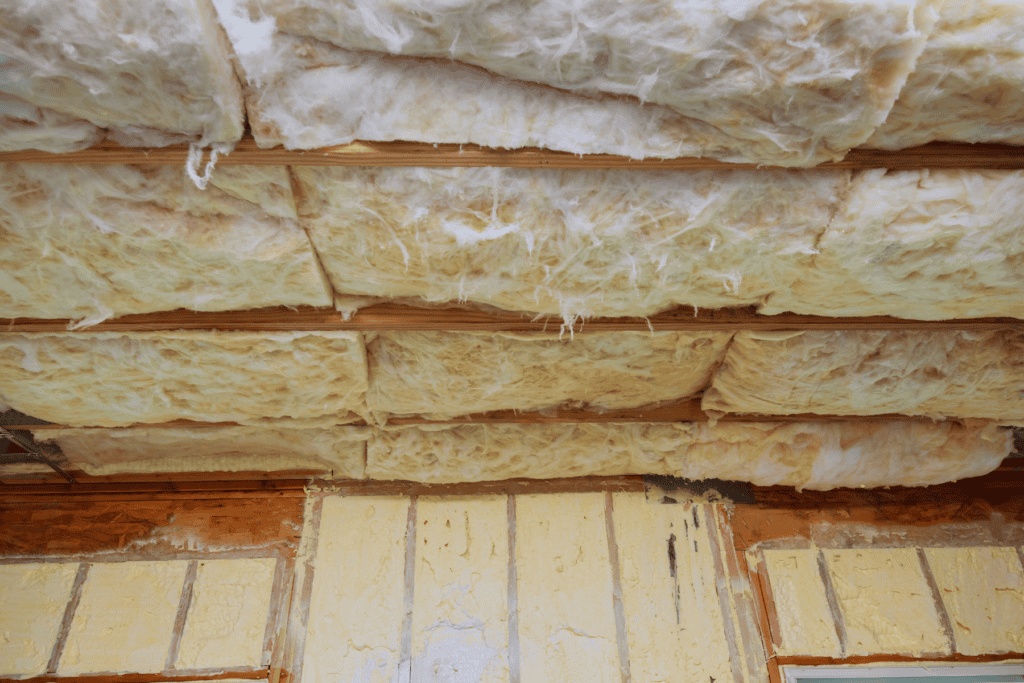
Understanding the physical makeup of these materials helps explain how they perform inside your home. Cellulose insulation consists primarily of recycled paper products, such as newsprint and cardboard. Manufacturers treat this paper with borate compounds. This specialized treatment provides excellent fire resistance and deters common household pests. Fiberglass insulation is manufactured using fine, spun glass fibers. These microscopic glass fibers trap small pockets of air, slowing heat transfer between your living space and the outdoors.
Both materials are available in different formats to suit various structural needs. Cellulose is most commonly installed as blown-in insulation. Installers use a specialized blowing machine to distribute the loose material evenly across attics and inside enclosed wall cavities. Fiberglass is frequently installed using precut batts or long continuous rolls. However, fiberglass also comes in a loose-fill form designed specifically for open attic floors.
The installation method strongly affects coverage and airflow. Blown-in materials tend to fill irregular gaps very effectively. This loose-fill approach blocks minor drafts around ceiling joists, electrical boxes, and complex wiring. A well-insulated home helps your climate control systems operate without unnecessary strain. For instance, if you are scheduling a new HVAC installation in Cherry Hill, NJ, adequate attic coverage ensures the new equipment performs optimally.
The Department of Energy (DOE) recommends specific R-values based on your geographic location. In New Jersey, the DOE suggests an attic R-value between R-49 and R-60 for optimal energy efficiency. Achieving this target requires a careful calculation of material thickness and density. Local homeowners often find that proper material selection improves overall comfort. It also reduces the daily workload on their heating and A/C systems.
Comparing cellulose vs. fiberglass insulation requires looking at specific performance data. Both materials offer strong thermal resistance, but they react differently to environmental changes. Understanding the cellulose insulation pros and cons alongside the fiberglass insulation pros and cons can help homeowners compare the materials more clearly. The following factors highlight the most important performance differences.
Reviewing these metrics clarifies why evaluating your home environment matters. A product that performs well in a dry, easily accessible attic might fail in a damp crawlspace. If your home cannot maintain a consistent temperature, you might suspect an equipment issue. You might even look into air conditioning repair in Cherry Hill. However, the real culprit is often inadequate insulation failing to keep conditioned air inside.
Neither material is universally superior for every property or floor plan. When comparing cellulose insulation vs. fiberglass, the best choice depends on the space’s current condition, accessibility, moisture concerns, and desired thermal performance. Evaluate overhead accessibility, existing moisture levels, and your desired thermal performance. One of the most important steps is determining whether you need structural air sealing.
Even the thickest layer of insulation will underperform if hidden drafts exist. Conditioned air easily escapes into the attic through unsealed recessed lights, plumbing stacks, and top plates. A comprehensive home assessment identifies these small air leaks. Technicians can securely seal these gaps before adding any new material.
Wall cavities present a different challenge than open attic floors. For closed walls, blown-in cellulose is often preferred because it can be densely packed through small access holes. This dense-packing technique stops air movement and provides excellent sound dampening between rooms. Conversely, fiberglass batts are ideal for new construction or major renovations where the wall studs are completely exposed.
Upgrading your thermal barrier frequently happens alongside other necessary home repairs. For example, you might have a Cherry Hill plumber fixing a pipe leak inside an exterior wall cavity. That open wall space presents a great opportunity to assess the insulation behind it. Proper insulation around water lines also helps prevent pipes from freezing during harsh winter months.
Proper preparation ensures the new material performs as intended. Addressing underlying structural conditions before installation protects your investment. It maximizes the new insulation’s efficiency and ensures long-term durability. Always consult with a professional to determine the exact thickness and density required for your specific layout.
There is no simple winner when weighing cellulose vs. fiberglass insulation for your upcoming project. The right choice depends on your home’s layout, existing conditions, and long-term comfort goals. Allied Experts approaches this decision through holistic home performance solutions. We look at how your thermal barrier interacts with your mechanical equipment.
We blend careful material selection and air duct sealing with effective heating and cooling strategies. This comprehensive approach ensures maximum whole-house efficiency. Upgrading your attic insulation directly impacts how hard your furnace or heat pump has to work. When your home retains conditioned air properly, your equipment runs shorter cycles and experiences less wear and tear.
If your current setup struggles to keep up with the changing weather, it is time to evaluate the entire system. Reaching out for heating service in Cherry Hill, NJ, along with an insulation review, is an excellent next step. Our team relies on honest recommendations and extensive field experience. We help you find the exact fit for your property without relying on guesswork.
Contact Allied Experts today to explore your options and schedule a professional walkthrough. Our team provides upfront pricing so you know exactly what to expect before any work begins. We rely on licensed, experienced professionals to deliver reliable, long-lasting results for your property.
We maintain a dedicated 24/7 live answering service. You can easily connect with us whenever you need guidance or have questions about your home comfort systems. Our holistic approach ensures that your insulation, ductwork, and HVAC systems all work together seamlessly. We proudly serve homeowners across South Jersey, bringing years of expertise to every project. Contact us to schedule an assessment and start improving your New Jersey home’s comfort and efficiency.