
Sign up for this awesome deal today!
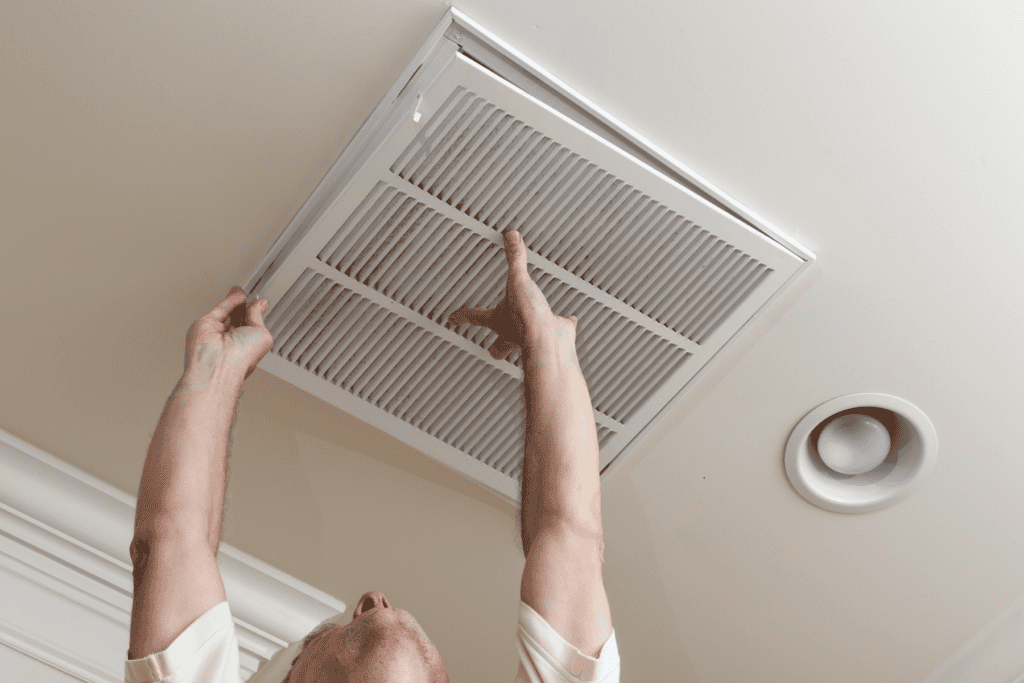
When comparing forced air vs central air, the terms overlap but describe different parts of your comfort setup. Forced air is how your home moves conditioned air through ductwork using a blower fan, while central air is a cooling system that cools your whole house through that same ductwork. So, is forced air the same as central air? Not quite, but most South Jersey homes use both, with a furnace or heat pump for heating and an air conditioner for cooling. For homeowners seeking reliable heating and cooling in Cherry Hill, this guide explains how each setup works and what matters most for lasting comfort.
Heating and cooling equipment relies on different physical processes to change indoor air temperatures before circulating conditioned air into your rooms. One component generates heat in cold weather, while another removes indoor warmth in summer. Exploring each piece individually makes it easy to understand how they work together throughout the changing seasons.
Homeowners often ask what forced air heating is when examining the equipment in their basement or utility closet. In simple terms, forced air heating warms indoor spaces by heating air directly and blowing it through ducts into living areas.
A standard forced-air system relies on an indoor heating unit, such as a natural gas furnace or an electric heat pump. The equipment pulls cool indoor air through return vents, draws it across an air filter to trap airborne debris, and warms it inside the heat exchanger or coil. A powerful blower motor then pushes the warmed air through supply ducts, distributing it into every room.
Central air is an integrated cooling system that cools air outdoors and distributes it evenly throughout the house. The setup uses an outdoor condenser unit paired with an indoor evaporator coil mounted alongside your furnace or air handler. The outdoor compressor circulates refrigerant between both coils to absorb indoor heat and release it outside. As warm indoor air passes over the chilled evaporator coil, moisture condenses, and the shared blower pushes cooled air through the existing ductwork.
Combining whole-home cooling with forced air heat provides dependable convenience, but every distribution method has strengths and practical limitations. Understanding these factors helps you assess comfort levels and decide whether your current equipment meets your household’s needs. South Jersey homes often see major comfort improvements once these mechanical details get the attention they need.
When evaluating central air vs. forced air, homeowners appreciate how quickly ducted systems adjust indoor temperatures compared to older radiators. Because the equipment circulates air through central filtration cabinets, you can add high-efficiency media filters, humidifiers, or dehumidifiers to protect indoor air quality. These ducted systems offer several distinct advantages for household comfort and overall climate management:
While these benefits create consistent indoor comfort, ducted systems also come with practical trade-offs. Blower fans and rushing air can produce noticeable sound if registers are poorly positioned or duct branches are undersized. In addition, when supply and return passages accumulate dust or develop gaps, the blower circulates airborne particles, making professional air duct cleaning in Cherry Hill valuable for indoor air quality.
A heating or cooling system is only as effective as the distribution network delivering conditioned air to your rooms. Even brand-new equipment will struggle if supply lines lose thermal energy before reaching your living spaces. When comparing forced air and central air, remember that both depend on your duct network to deliver conditioned air throughout your home.
Many South Jersey homes have ductwork running through unconditioned spaces like vented attics, cold crawlspaces, or unfinished basements. When metal seams and joints separate over time, heated or cooled air escapes directly into these empty zones instead of reaching your living spaces. Professional air duct sealing prevents treated air from escaping, keeping conditioned temperatures where you want them.
Leaky ducts can also draw dusty, unconditioned air back into the system through return-side leaks. This unwanted air pulls dust and musty odors into your rooms, reducing overall air quality and making your home feel uncomfortable. Sealing duct connections helps keep the air cleaner and keeps your equipment from running longer than it needs to.
Ductwork issues often work hand in hand with building shell weaknesses. If an attic lacks adequate insulation or has unsealed ceiling penetrations, outdoor summer heat can move downward while indoor heat escapes upward. This thermal transfer forces your air conditioner or furnace to work harder to maintain your thermostat setting.
When local homeowners evaluate HVAC in Cherry Hill, NJ, checking duct integrity alongside insulation helps the entire forced-air system run smoothly without unnecessary strain. Air sealing attic bypasses and adding insulation keeps conditioned air inside your living zones, creating steady temperatures in every season.
Not every house has the wall cavities or ceiling clearance required for extensive ductwork. Older architectural styles throughout Camden County often feature baseboard heating or cast-iron radiators that function without air ducts. Homeowners in these properties can still achieve modern comfort by considering alternative heating and cooling systems.
For homes without existing ductwork, a ductless mini-split system offers zoned heating and cooling without requiring wall demolition. Individual indoor air handlers mount high on interior walls and connect to an outdoor heat pump through small conduit lines. This setup gives you room-by-room temperature control and requires no air ducts.
Meanwhile, a high-efficiency boiler provides gentle radiant heat through closed water pipes rather than blowing air through registers. Boilers maintain steady warmth without moving air, eliminating drafts and preventing airborne dust from circulating. Pairing a boiler with ductless cooling creates an effective comfort strategy for traditional homes.
Central air and forced air describe two distinct parts of a home comfort system. Forced air refers to the distribution method, utilizing a blower fan and ductwork to circulate air across living spaces. Central air refers to the dedicated cooling equipment that chills and dehumidifies indoor air.
A central A/C system depends on forced-air ducts to circulate conditioned air, but a forced-air network can also move warmth from a furnace or heat pump. Keeping this difference in mind helps homeowners determine if comfort issues stem from leaky ductwork, inadequate airflow, or aging cooling equipment.
Deciding whether to repair an existing setup or switch to new equipment requires a full look at your building. A comprehensive home energy assessment allows a technician to inspect your insulation levels, evaluate duct leakage, and test system airflow. This detailed evaluation provides clear, objective recommendations so you can choose the right heating and cooling upgrades for your home.
A professional walkthrough examines how your equipment, ductwork, and insulation interact as a single ecosystem. Technicians identify hidden thermal leaks and mechanical imbalances that typical service visits might overlook. With this information, you can make informed decisions that improve comfort throughout your home.
Sorting through forced air vs. central air options or resolving uneven temperatures across your rooms is easier with professional guidance. The team at Allied Experts evaluates your heating equipment, cooling components, and duct distribution as an interconnected system. Experienced technicians perform a detailed walkthrough of your home to pinpoint air leaks, airflow restrictions, and equipment performance issues.
Homeowners in Cherry Hill, NJ, and surrounding communities rely on our team for honest assessments and clear explanations. We provide upfront pricing before any work begins, ensuring complete transparency with no surprises. Our team is always ready to take your call with 24/7 live answering, making it simple to book an appointment at your convenience. Take the uncertainty out of your heating and cooling decisions. Contact Allied Experts today to schedule your comprehensive in-home HVAC consultation.