
Sign up for this awesome deal today!
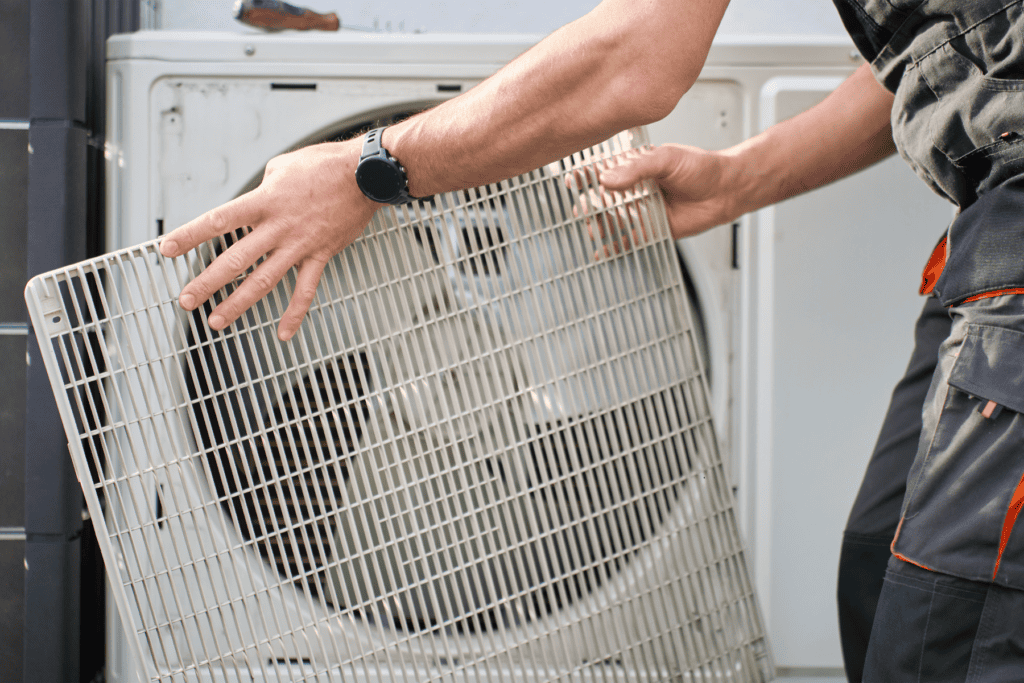
A heat pump not heating well is often caused by a thermostat setting, restricted airflow, a blocked or iced outdoor unit, or a mechanical problem like low refrigerant, but leaky ductwork and poor insulation can also keep a working heat pump from keeping up. A heat pump also heats differently than a furnace, so some of what feels like a problem is normal operation, especially during cold snaps. For homeowners looking for heating service in Cherry Hill, NJ, knowing the difference between normal cycles and real failures can save unnecessary worry, and professional heat pump services can pinpoint whether the cause is the equipment, the weather, or heat loss through the house.
Heat pumps keep homes comfortable by transferring thermal energy rather than generating raw heat through combustion. Because this heat-transfer process works differently from a traditional gas or oil burner, understanding how it delivers heat helps homeowners set realistic expectations for performance. Establishing proper thermostat routines is one of the most effective ways to maintain steady indoor warmth during colder months.
A furnace burns fuel and delivers noticeably hot air at the registers. A heat pump moves heat from outdoor air instead, so the air coming from the vents is warm, not hot. Because that air is closer to body temperature, it can feel slightly cool to the touch even while it’s warming the house.
As outdoor temperatures fall, the heat energy available in the outside air naturally decreases, reducing total system capacity. A heat pump running but not heating as a homeowner expects isn’t always a failure, especially during sharp cold snaps when the equipment must run longer cycles to meet the setpoint. Homeowners may also notice a brief period where the indoor registers blow cooler air while steam drifts from the outdoor unit. This brief event represents a normal defrost cycle designed to clear frost from the exterior coil, and the equipment should return to standard heating mode within several minutes.
Proper heat pump thermostat settings play a decisive role in both seasonal efficiency and consistent indoor comfort. The first step in any heating inspection is to verify that the thermostat is set firmly to heat mode rather than cool or fan-only. Setting the fan to run continuously can also circulate room-temperature air between heating cycles, making occupants perceive drafts from supply vents when the compressor is not engaged.
Unlike combustion systems that recover quickly from deep overnight temperature setbacks, heat pumps perform best when maintaining a steady, consistent temperature day and night. Dropping your thermostat setting significantly while sleeping or away causes the system to struggle during morning recovery, often forcing backup heating elements to turn on to bridge the gap. Homeowners looking to optimize scheduling without triggering unnecessary backup heat can upgrade to modern smart thermostats designed specifically for multi-stage heat pump control.
Most modern installations include auxiliary electric resistance heat strips built into the indoor air handler to help the outdoor compressor during extreme cold. Thermostats also have a setting called heat pump emergency heat, which manually bypasses the outdoor compressor and relies solely on secondary electric heat strips. While auxiliary heat turns on automatically as supplementary heat during routine operation, emergency heat is a manual override meant for temporary situations.
Homeowners should only activate emergency heat when the outdoor unit is visibly damaged, locked out by a safety control, or completely non-functional during freezing weather. Leaving this setting active as your normal heating mode puts heavy demand on your electrical service and bypasses your heat pump compressor’s energy-saving design. Once the primary outdoor unit receives necessary service, the thermostat should promptly return to standard heat mode.
When your system fails to warm your rooms despite proper thermostat configuration, the problem usually involves airflow restrictions, worn mechanical components, or electrical interruptions. Identifying the category helps you take safe preliminary steps before scheduling a professional service visit.
Several physical, electrical, and refrigeration faults can prevent a system from delivering warm air indoors:
Diagnosing sealed refrigerant circuits, reversing valves, and electrical components requires technical training, calibrated gauges, and high-voltage safety instruments. Disassembling electrical cabinets, forcing internal valves, or scraping ice off sensitive aluminum fins can damage fragile coils and create serious safety hazards for untrained homeowners.
Before calling an HVAC technician, you can do several straightforward inspections safely around the home. Start by inspecting the main filter compartment in your return duct or air handler; a filter clogged with dust and pet hair restricts airflow, which reduces how much warm air reaches your rooms and can contribute to a heat pump blowing cold air or shutting down on a safety control. Checking the filter regularly and replacing it when it’s dirty keeps air moving the way the system needs.
Next, walk outside and check the outdoor cabinet to ensure nothing is blocking airflow. Clear away fallen leaves, brush, tall grass, and snow drifts so air can move freely around all sides of the unit. Finally, if your heat pump won’t turn on at all, check your home’s central electrical panel to see whether the dedicated heating breakers have tripped. You can safely switch a tripped breaker firmly to off and back to on once, but you must avoid resetting a breaker more than once if it trips again immediately, since a breaker that keeps tripping can mean an electrical fault that needs a technician.
When evaluating a heat pump not heating enough to satisfy the family, focusing solely on the equipment cabinet often overlooks structural comfort barriers. A heat pump works within the home’s thermal envelope, so air distribution pathways and building insulation largely determine whether delivered heat reaches your rooms. Evaluating these components gives a complete picture of the system’s overall capability.
Ductwork installed in unconditioned areas like ventilated attics, unheated basements, and vented crawlspaces represents a primary point of heat loss in older homes. When sheet metal seams and flexible duct joints pull apart, heated air generated by your heat pump escapes into unfinished structural cavities instead of reaching your registers. At the same time, return duct leaks draw cold, unconditioned air directly into the system, lowering the airstream temperature before it ever passes across your indoor coil.
This continuous leakage forces the equipment to run non-stop while leaving peripheral rooms cold, drafty, and uncomfortable. Targeted air duct sealing eliminates gaps and cracks at joints, ensuring the warm air your heat pump produces reaches where your family gathers. Proper duct integrity also balances airflow pressures across every floor, reducing temperature imbalances between sun-facing and shaded living spaces.
Even when mechanical equipment and distribution ducts operate as designed, inadequate attic insulation lets heat rise and escape quickly through ceiling drywall. When cold outdoor air infiltrates living spaces through recessed lights, attic access hatches, and wall top plates, your heating system works against an unrelenting incoming draft. This dynamic can easily lead a homeowner to assume their heat pump is underperforming when the real problem is excessive heat loss through the building envelope.
Upgrading your home with modern attic insulation creates a continuous thermal cap that holds conditioned warmth inside living areas during winter cold snaps. Combining insulation with comprehensive attic air sealing prevents the natural chimney effect from sucking chilly exterior air into lower levels of the house. By taking a whole-house approach to heating and cooling in Cherry Hill, technicians can pinpoint whether poor winter performance stems from mechanical failure or structural building envelope leakage.
When a safe homeowner check confirms that air filters and thermostat settings are correct yet the house remains cold, scheduling professional service is the next logical step. Technicians performing targeted heat pump repair check refrigerant pressures, inspect electrical connections, measure motor capacitor ratings, and confirm reversing valve operation to restore dependable performance. For homeowners needing thorough Cherry Hill heater repair, a licensed professional can diagnose the system and ensure all factory safety controls and manufacturer operating parameters remain aligned.
Scheduling regular heat pump maintenance before freezing temperatures arrive lowers the chance of a heating problem during the coldest weeks. Routine service visits include cleaning the indoor and outdoor coils, verifying defrost-cycle timing, lubricating fan bearings, testing auxiliary heat strips, and recalibrating airflow. These preventative tune-ups protect complex compressor assemblies, reduce wear on critical parts, and help your heating system run smoothly through long regional winters.
If your heat pump is older, needs repeated major part repairs, or still fails to keep your home warm after duct and insulation improvements, exploring a modern heating installation may be the most reliable path forward. Many newer heat pumps heat more effectively in cold weather than older models. Homeowners weighing their options can review Allied Experts’ guide on when to replace their HVAC system to determine whether another seasonal repair or a modern system upgrade makes the best long-term sense for their property.
A chilly home in the middle of winter requires fast, knowledgeable answers from qualified specialists who understand whole-house comfort dynamics. The licensed professionals at Allied Experts are ready to help with precision troubleshooting for a stuck valve, professional coil clearing, or an in-depth evaluation of attic insulation and ductwork leakage. Our team takes the time to inspect your entire system and clearly explain every recommendation, without high-pressure sales tactics.
South Jersey homeowners can contact Allied Experts anytime to speak with our 24/7 live answering team and schedule a comprehensive heating walkthrough. We will evaluate your equipment performance, inspect your ductwork and air barriers, and help you identify the changes that will make the biggest difference in how warm your home stays this winter.